This article contains partner links.
Still deciding where to base yourself before leaving Tokyo? Compare Shinjuku vs Ueno for your Tokyo stay before locking in your onward Shinkansen plan.
The Tokyo–Kyoto Shinkansen is one of Japan’s easiest long-distance trips, but booking ahead can still make sense when your schedule is fixed. The key decision is not whether trains exist—they run frequently—but whether you want a guaranteed seat and a specific departure time.
Why the Shinkansen is the default choice
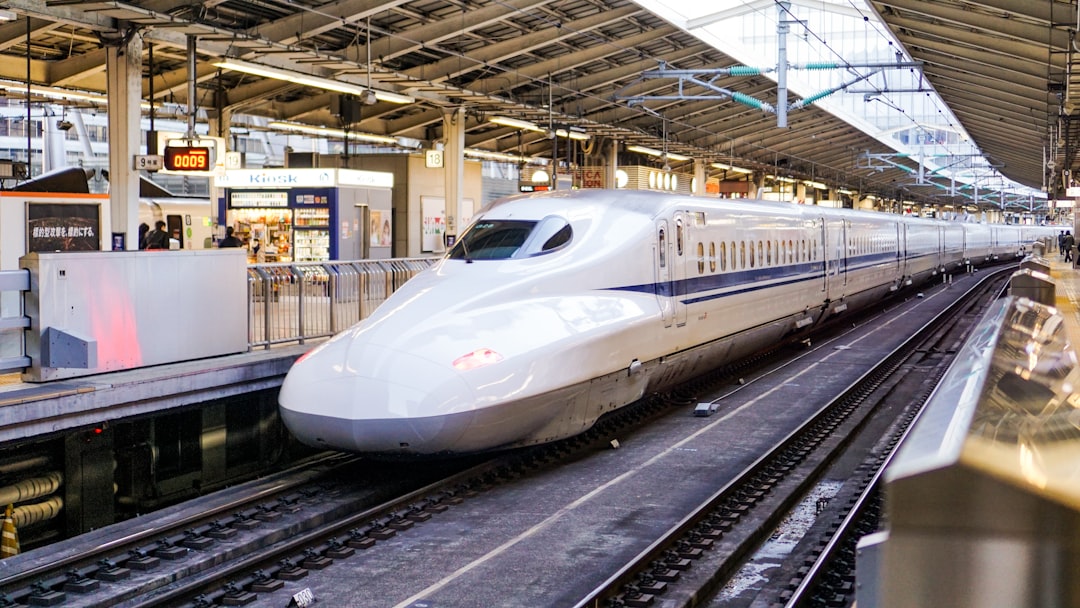
For most travelers moving between Tokyo and Kyoto, the bullet train is the simplest combination of speed, city-center access and frequency. Klook currently lists direct Tokyo–Kyoto Shinkansen services with reserved and non-reserved seat options.
When booking ahead is worth it
- You have a fixed hotel check-in or activity: a confirmed train keeps the rest of the day predictable.
- You are traveling in a busy period: reserved seats reduce uncertainty.
- You have large luggage: planning your train and seating arrangement in advance can make the journey easier.
When you can stay flexible
If your departure time is uncertain and you are traveling outside a peak period, you may prefer to decide closer to the day. The route has many departures, but seat availability and ticket conditions vary.
Reserved or non-reserved?
A reserved seat gives you a specific place on a specific train. Non-reserved seating can be more flexible, but availability is first-come, first-served on eligible services. Check the current ticket type before paying.
Check Tokyo to Kyoto trains
Check Tokyo to Kyoto Shinkansen tickets on Klook
Browse all Japan travel guides · See current Japan travel services
Bottom line
Book ahead when timing matters, you want reserved seats, or your trip falls in a busy period. Stay flexible when your schedule is open and you are comfortable choosing from the remaining departures.

コメント