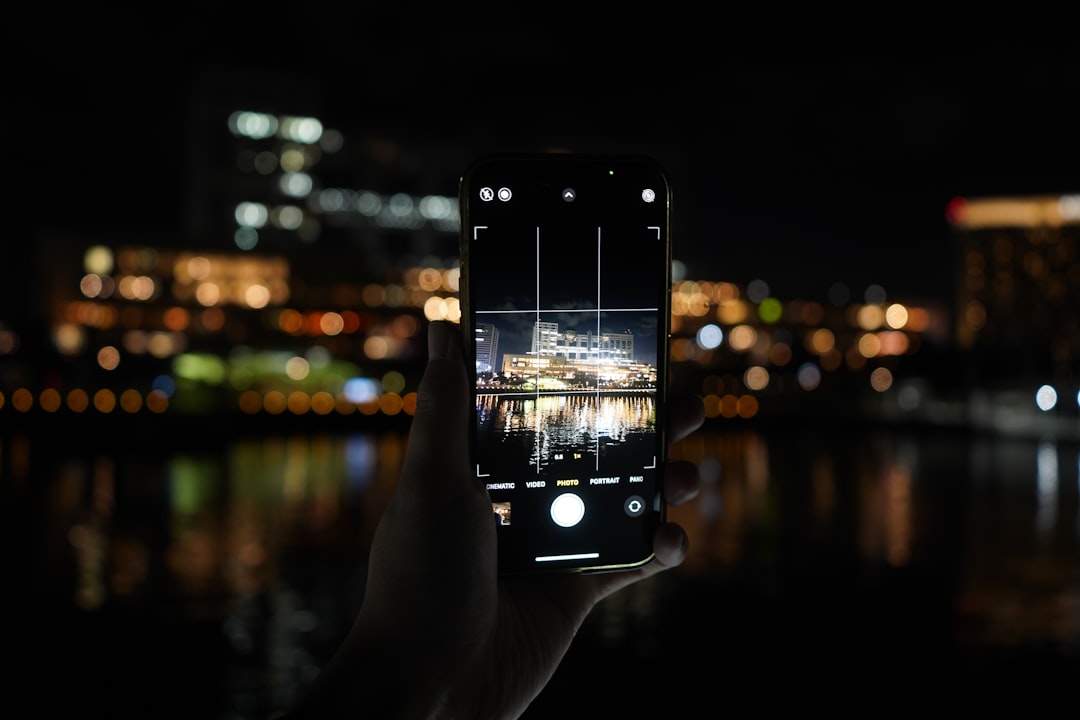
For internet access in Japan, travelers often choose between an eSIM and pocket Wi-Fi. Both can work well, but the better option depends on how many people and devices need to connect.
Affiliate disclosure: If you purchase through the Saily link below, we may earn a commission at no extra cost to you.
Check Saily eSIM options for Japan
Choose an eSIM if you want the simplest arrival
An eSIM can be installed on a compatible phone without collecting a physical device at the airport. That can reduce one task after a long flight.
Choose pocket Wi-Fi if several devices need one connection
A portable Wi-Fi router can be convenient for families or groups sharing one connection across multiple phones and tablets. The trade-off is carrying and charging another device.
Compare these five points
- Setup: eSIM is digital; pocket Wi-Fi requires a physical device.
- Sharing: pocket Wi-Fi is designed for multiple devices, while eSIM tethering depends on the plan and device.
- Battery: pocket Wi-Fi adds another battery to manage.
- Pickup and return: eSIM avoids physical collection and return.
- Phone compatibility: eSIM requires a compatible, generally unlocked device.
Best fit by travel style
Solo travelers who mainly use one phone often benefit from the convenience of eSIM. Groups who want one shared connection may prefer pocket Wi-Fi. Heavy laptop users should check tethering limits before choosing either option.
Before you buy
Check current data limits, validity, coverage, tethering rules and cancellation conditions directly with the provider. Compare the full trip cost rather than only the advertised starting price.
Related guides
See our Japan eSIM buying checklist and when to install your Japan eSIM.
Bottom line
If your priority is fewer airport tasks, eSIM is usually the cleaner setup. If your priority is sharing one connection across several devices, pocket Wi-Fi may be easier.
コメント