Tokyo Metro’s contactless Tap to Ride service gives many visitors another way to enter and exit the subway without buying a paper ticket first. If your credit, debit or prepaid card supports contactless payment—or you use a compatible smartphone—you may be able to tap directly at supported gates.
Still deciding where to base yourself in Tokyo? Compare Shinjuku vs Ueno for your stay before planning your daily subway routes.

How Tokyo Metro Tap to Ride works
The basic flow is simple: tap an eligible contactless card or compatible device at the designated reader when entering the station, then use the same card or device when exiting.
You do not need to buy a standard paper ticket for that trip first. Tokyo Metro says the standard adult ticket fare applies for eligible journeys on its network.
What cards are supported?
Tokyo Metro lists major international contactless payment brands including Visa, Mastercard, JCB, American Express, Diners Club, Discover and UnionPay, subject to the card itself being enabled for the service. A compatible smartphone or wearable may also work when it presents the supported payment credential.
The most important practical rule is not the logo on your wallet—it is whether the specific card or device is contactless-enabled and accepted by the system.
Why the same card or device matters
The system needs to match your entry tap with your exit tap. If you enter with a physical card and try to exit with a phone wallet version of that card, the system may treat them as different payment credentials. Use the exact same card or device for the whole trip.
How large is the network?
In 2026, contactless rail interoperability expanded across 11 participating railway operators in the Kanto area. That makes the feature more useful than a single-line experiment, although travelers should still look for the supported contactless reader at the gate and check the current operator coverage for their route.
Does this replace Suica or another IC card?
Not necessarily. A transit IC card such as Suica remains useful because it is deeply integrated into local transport and can also be used for many small purchases. Contactless bank-card riding is best viewed as another option—especially useful for a visitor who already has a compatible card and wants to avoid buying a ticket for a straightforward trip.
For a longer Japan trip, an IC card can still be convenient. For occasional Tokyo Metro rides, contactless tap-to-ride can reduce setup.
Best use cases for first-time visitors
- You have just arrived and want to take a simple supported ride without buying a ticket.
- You already use a contactless bank card internationally.
- You are making a small number of subway trips and do not want another card.
- You want a backup option if your IC card setup is inconvenient.
Before you tap
- Confirm your card or device supports contactless payment.
- Look for the designated contactless reader at the gate.
- Use the same card/device at entry and exit.
- Keep another payment/transport option available in case your route or card is not supported.
Related Japan, Sorted. guides
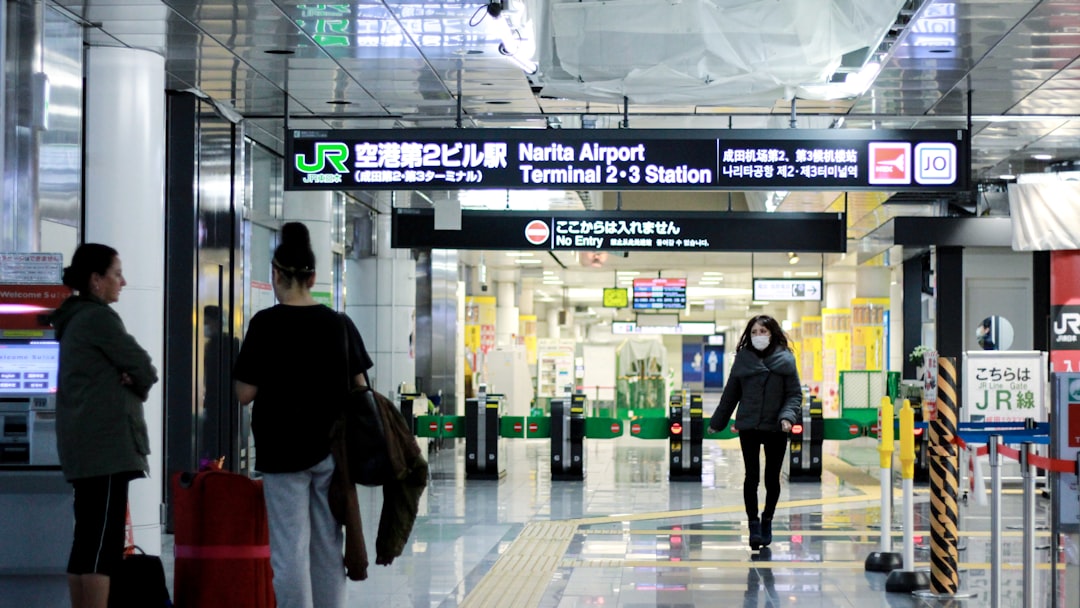
See our Japan, Sorted. travel hub, Welcome Suica guide, and Narita Airport to Tokyo transport guide.
Official sources
Tokyo Metro: Tap to Ride
Tokyo Metro: 2026 Kanto interoperability announcement
Last checked: September 2026. Supported cards, operators and fare handling can change, so confirm the latest official information before travel.
コメント